The best time to visit Kenya for a safari is the long dry season from late June to October, when wildlife gathers around rivers and waterholes and the Great Migration arrives in the Maasai Mara. A second dry window from mid-December to March is just as rewarding, with fewer visitors, hot sunny days and newborn animals on the plains.
That said, there is no bad month for a Kenya safari. Each season offers something different, and the right time for you depends on what you want to see, your budget and how much you mind sharing a sighting. This month-by-month guide, written by our Nairobi-based safari planners, will help you choose.
Kenya’s safari seasons at a glance
Kenya sits on the equator, so temperatures stay fairly steady all year. What changes is the rain. The country has two rainy seasons and two dry seasons:
- Long dry season (late June to October): peak safari season. Short grass, little rain and the Great Migration in the Maasai Mara.
- Short rains (November to early December): brief afternoon showers, green landscapes and lower prices.
- Short dry season (mid-December to March): hot and dry, excellent game viewing and the calving season to the south.
- Long rains (April to May): the quietest and greenest time, with the best rates. Some roads and camps close.
Kenya safari month by month
| Month | Weather | Highlights | Crowds and rates |
|---|---|---|---|
| January | Hot and dry | Excellent game viewing, clear views of Kilimanjaro from Amboseli | Moderate, high around New Year |
| February | Hot and dry | Predators active, great photography light | Moderate |
| March | Warm, rains begin late in the month | Lush landscapes, migratory birds | Lower |
| April | Long rains | Green season, very few vehicles, newborn animals | Lowest rates |
| May | Long rains easing | Quiet parks, dramatic skies, birding | Low |
| June | Cool and drying | Herds start moving north towards the Mara | Rising |
| July | Cool and dry | Great Migration arrives in the Maasai Mara | Peak |
| August | Dry | Mara River crossings at their most frequent | Peak |
| September | Dry and warm | Migration still in the Mara, superb big-cat sightings | Peak |
| October | Dry, short rains may start late | Herds begin heading south, fewer crowds | High to moderate |
| November | Short rains | Green season, good value, birdwatching | Low |
| December | Rains ending, then dry | Festive safaris, beach add-ons | High over the holidays |
Best time to visit Kenya’s top safari parks
Maasai Mara
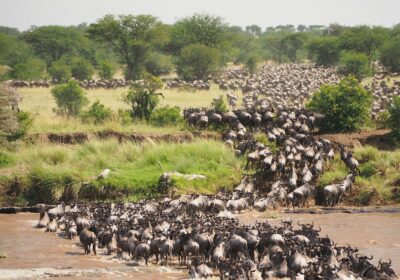
Visit the Maasai Mara from July to October for the Great Migration and the famous Mara River crossings. Outside migration season the Mara still has some of the highest densities of lions, cheetahs and leopards in Africa, so January to March is an excellent, less crowded alternative. Read our full Great Migration guide for the details.
Amboseli
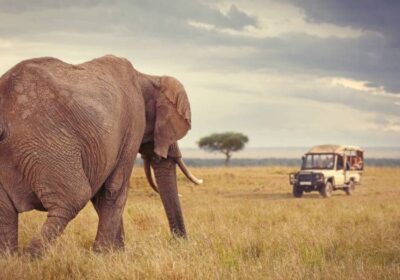
Amboseli is best from June to October and in January and February, when the skies are clearest and elephant herds gather at the swamps. Go early in the morning for the best chance of seeing Kilimanjaro without cloud.
Samburu
In Samburu, wildlife concentrates along the Ewaso Ng’iro river in the dry months from June to October and December to March. This is the time to find the “Samburu Special Five”: Grevy’s zebra, reticulated giraffe, Somali ostrich, Beisa oryx and gerenuk.
Lake Nakuru and Lake Naivasha
Lake Nakuru and Lake Naivasha can be visited all year. Their rhinos, giraffes and hippos are resident, and both make easy stops on the road between Nairobi and the Maasai Mara.
Tsavo and the coast
Tsavo East and Tsavo West are best in the dry seasons. Pair them with Diani Beach from December to March or July to October for the classic bush-and-beach holiday.
Is the green season worth it?
Yes, for the right traveller. From April to early June and in November, the rains turn Kenya’s plains bright green. Many camps lower their rates, you will often have sightings to yourself, and it is a wonderful time for birdwatching and photography. Showers usually fall in the afternoon, leaving mornings clear for game drives. The trade-off is that a few remote camps close and some roads become muddy, so it pays to plan with a local operator.
Tips for choosing your travel dates
- Book early for July to October. The best camps near the migration fill up six to twelve months ahead.
- Consider the shoulder months. June and late October often combine good wildlife with fewer vehicles.
- Combine regions. Northern parks like Samburu are drier and can be excellent when the south is wet.
- Add the coast. The Indian Ocean beaches are warm all year and easy to reach by short flight.
Frequently asked questions
What is the best month for a safari in Kenya?
August is often called the best single month, because the Great Migration is in the Maasai Mara and river crossings are frequent. February is a great alternative, with dry weather, fewer crowds and excellent predator sightings.
When is the rainy season in Kenya?
Kenya has two rainy seasons: the long rains from about April to May and the short rains in November and early December.
When is the cheapest time to go on safari in Kenya?
April and May are usually the most affordable months, with many lodges offering green-season rates.
Can I see the Big Five all year in Kenya?
Yes. Lions, leopards, elephants, buffalo and rhinos are resident in Kenya’s parks and can be seen in every season, especially in the Maasai Mara, Lake Nakuru and Ol Pejeta.
Plan your Kenya safari with local experts
Still deciding when to go? Tell us your dates, interests and budget, and a Wildscape Horizon planner will suggest the best time and route for you. Start planning your safari or explore all our Kenya destinations.