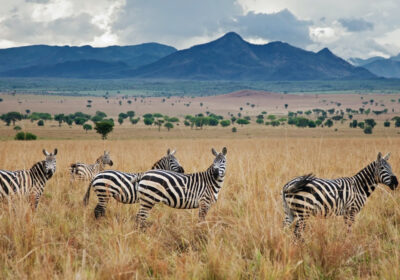

Packing for a Kenya safari is simpler than most people expect. You need light, neutral-coloured layers for warm days and chilly early mornings, a good pair of binoculars, sun protection, and a soft-sided bag if you are taking a light aircraft between parks. This Kenya safari packing list covers everything you need, and a few things to leave at home.
Kenya safari packing list: the essentials
Clothing
- 3–4 lightweight shirts or T-shirts in khaki, beige, olive or brown.
- 1–2 long-sleeved shirts for sun and mosquito protection in the evenings.
- 2 pairs of trousers or zip-off safari pants, plus shorts for the lodge.
- A warm fleece or light down jacket. Morning game drives in the Maasai Mara and Laikipia can start at around 10–12°C.
- A light waterproof jacket, especially from March to May and in November.
- A wide-brimmed hat and a buff or scarf to keep off sun and dust.
- Comfortable closed shoes or light walking boots, plus sandals for camp.
- Swimwear for lodge pools and a Diani Beach extension.
Safari gear
- Binoculars (8×42 or 10×42 are ideal). They make a huge difference, so bring one pair per person if you can.
- Camera with a zoom lens. A 100–400 mm lens covers most wildlife; a phone is fine for landscapes and camp life.
- Spare batteries, memory cards and a power bank. Most vehicles have charging points, but not all camps have power all day.
- A small daypack for game drives.
- A head torch for walking around camp at night.
- A plug adapter. Kenya uses the UK-style Type G three-pin plug at 240 V.
Health and comfort
- High-factor sunscreen, lip balm and sunglasses. Kenya sits on the equator, so the sun is strong all year.
- Insect repellent containing DEET or picaridin.
- Personal medication and a small first-aid kit, including rehydration salts and antihistamines.
- Antimalarials if prescribed. Speak to a travel clinic before you go about malaria and vaccinations; some travellers also need a yellow fever certificate depending on where they are arriving from.
- A reusable water bottle. Most camps provide filtered water.
Documents and money
- Passport valid for at least six months, with blank pages.
- Kenya eTA. Most visitors need an Electronic Travel Authorisation, applied for online through the official portal at etakenya.go.ke before departure. Apply at least a few days ahead, and check the current rules for your nationality, as East African Community and many African nationals are exempt.
- Travel insurance that includes medical evacuation.
- Some US dollars or Kenyan shillings in small notes for tips and souvenirs. Cards are accepted in most lodges and cities, and M-Pesa mobile money is used everywhere in Kenya.
What to wear on safari
Choose neutral, earthy colours. They are cooler in the sun, show less dust and help you blend in on game drives and walks. Avoid dark blue and black, which can attract tsetse flies in some areas, and bright white, which shows dust quickly. It is also best to avoid military-style camouflage clothing.
Layers are the secret. You might start a 6am game drive in a fleece, hat and scarf, and finish at midday in a T-shirt. Evenings at camp are relaxed, so there is no need for formal clothes.
Luggage limits for fly-in safaris
If your safari includes light aircraft flights, for example from Nairobi to the Maasai Mara or Samburu, your luggage allowance is usually around 15 kg per person, including hand luggage, in a soft-sided bag without wheels or a rigid frame. Small planes have limited space, and hard suitcases may not fit. Most hotels in Nairobi can store extra luggage while you are on safari. We will confirm the exact allowance for your flights when we plan your trip.
What to leave at home
- Plastic carrier bags. Kenya banned single-use plastic bags in 2017, and they can be confiscated at the airport.
- Hard-shell suitcases if you are taking fly-in flights.
- Drones, unless you have obtained a permit in advance. They are not allowed in national parks and reserves without permission.
- Too many clothes. Most camps and lodges offer a laundry service.
Frequently asked questions
What should I not wear on a safari in Kenya?
Avoid dark blue and black, which can attract tsetse flies, bright white, which shows dust, and military-style camouflage.
How cold does it get on safari in Kenya?
Early mornings and evenings can drop to around 10–12°C in the Maasai Mara, Laikipia and central highlands, especially from June to August. Days are usually warm, from 25 to 30°C.
Do I need a visa to visit Kenya?
Most visitors no longer need a traditional visa but must apply online for an Electronic Travel Authorisation (eTA) before travelling. Check the official portal for the latest requirements for your nationality.
Can I charge my phone and camera on safari?
Yes. Most safari vehicles and camps have charging points, though some camps only run power at certain times. A power bank is a useful backup.
Ready to start packing?
When you book with Wildscape Horizon Safaris, we send a personal packing list for your exact itinerary and season. Not sure when to go yet? Read our guide to the best time to visit Kenya, or talk to a safari planner.